Helping Latin American Agriculture Do More With Less Water
By Ilan Liwski, Latin America Manager, Phytec
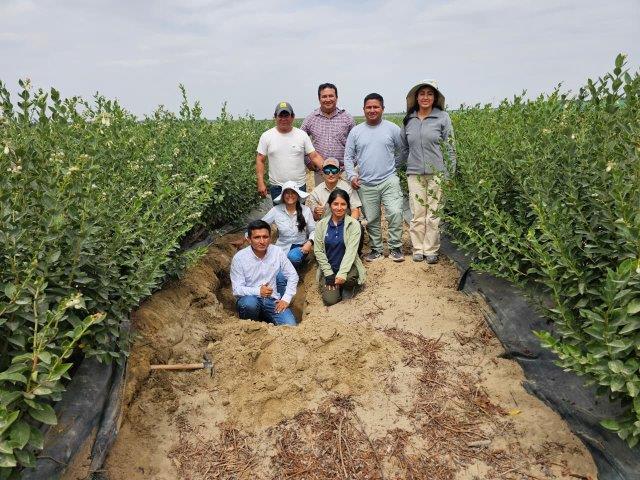
Over the past several years, we have had the privilege of working alongside growers across Latin America, helping them improve irrigation management and make better agronomic decisions using real-time data. From avocado orchards in Peru and Chile to berry fields and fresh-market tomatoes in Mexico, and citrus groves and sugarcane plantations in Brazil, we have witnessed firsthand how rapidly agriculture is evolving.
What we have learned in the region is the same thing we are learning on farms across North America, Australia and Europe: growers everywhere are under mounting pressure to produce more food with fewer resources, and the challenges they face grow harder every season. Different continents, different crops, different terrain, different market demands and regulations but one universal need. That is the idea behind everything we build at Phytech: a single platform that connects it all. In effect, an operating system for agriculture.
A Daily Reality, Not a Future Concern
Climate change is no longer a distant threat it is a daily operating condition. Rising temperatures, prolonged droughts and increasingly unpredictable weather, often intensified by recurring El Niño events, have made water management one of the most critical factors affecting agricultural productivity. At the same time, labor shortages, rising energy costs and growing sustainability requirements from international markets are forcing producers to rethink how they manage every drop of water.
In our experience, traditional irrigation based on fixed schedules or historical practice is no longer enough. Today’s growers need accurate, real-time information that lets them make better decisions every single day.
Moving Beyond Traditional Irrigation
For decades, irrigation decisions relied mainly on experience, weather forecasts and soil moisture readings. These remain valuable tools, but they only tell part of the story.
The most important indicator is the plant itself.
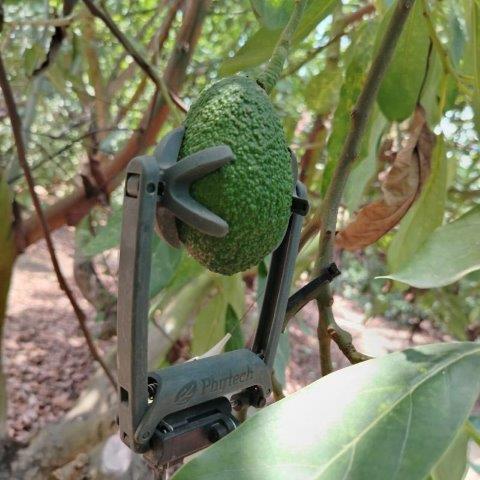
Every day, plants respond continuously to changes in water availability. Long before visible symptoms appear, they show measurable physiological responses to water stress. By monitoring those responses in real time, growers can determine exactly when to start irrigating, how much water to apply and when to stop. This shift from irrigating by the calendar to irrigating according to the actual needs of the plant is transforming agricultural water management, and it is where meaningful water savings begin.
One Platform, Connecting Every Piece of the Puzzle
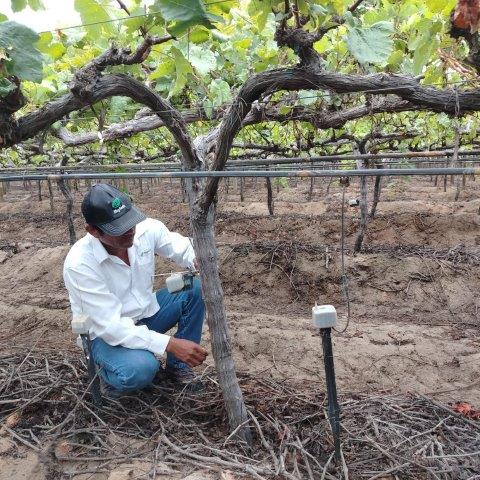
One of the biggest changes we have seen is the move from individual sensors to a fully integrated digital farming platform. Growers no longer want a drawer full of disconnected devices; they want to see everything in one place.
Plant monitoring, soil moisture, irrigation pressure, weather stations, satellite imagery, hydraulic performance and irrigation automation each contribute valuable information. On their own, they are isolated readings. Brought together on a single platform and analyzed with Artificial Intelligence, they become clear, practical recommendations. This is what an operating system does it unifies countless inputs into one coherent system that people can actually act on.
Technology should simplify decision-making, not complicate it. Our goal has never been to give growers more data. Our goal is to help them make better decisions.
What We Are Seeing Across Latin America
Every country and every crop presents unique challenges, yet the priorities are remarkably similar across the region.
In Peru and Chile, growers are rapidly adopting precision agriculture in avocado, citrus, grape and blueberry orchards, where irrigation precision directly affects fruit quality, yield and export performance.
In Mexico, adoption is expanding quickly across avocado orchards, berry production, fresh-market tomatoes and many other specialty crops, helping producers optimize irrigation while improving operational efficiency.
In Brazil, we are seeing growing uptake in citrus, sugarcane, coffee and other large-scale commercial crops, where digital monitoring improves resource efficiency without sacrificing productivity.
Despite these differences, growers throughout the region share the same objective: higher-quality crops produced with more efficient use of water, energy and labor.
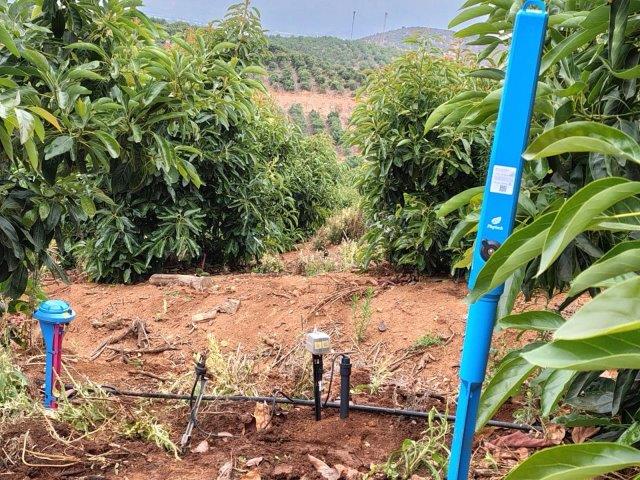
The Same System, Everywhere Agriculture Grows
What makes this powerful is that the platform serving an avocado grower in Peru is the same platform serving a citrus operation in Brazil, an orchard in California or a vineyard in Australia. The terrain changes, the crop changes, the market pressures and regulations change but the underlying system adapts to all of them.
That is the real meaning of an operating system for agriculture: one platform that runs anywhere, on any crop, in any geography, and gets smarter the more of the world’s farmland it learns from. As Phytech continues to expand across continents, every field we add strengthens the intelligence available to every grower on the platform.
Turning Data Into Better Decisions
At Phytech, we believe precision agriculture is not about installing sensors it is about improving the quality of every irrigation decision.
Our platform combines direct plant monitoring, soil moisture, irrigation hydraulics, weather, satellite imagery and automation into a single decision-support system. Every day, millions of data points are processed with proprietary algorithms and Artificial Intelligence to deliver clear, practical recommendations tailored to the conditions of each field.
Today, Phytech works with more than 1,500 leading growers worldwide, monitoring approximately 160,000 hectares across a wide range of crops. But technology alone is not the answer. We believe continuous agronomic support is essential digital agriculture delivers the greatest value when technology and agronomic expertise work together.
Looking Ahead
Agriculture in Latin America and around the world is entering a new era. Climate variability will keep challenging growers, water will only become more valuable, and global demand for high-quality food will keep rising.
We believe precision agriculture will soon be a standard management practice rather than a competitive advantage. The farms that combine real-time monitoring, Artificial Intelligence and agronomic expertise will be best equipped to improve productivity, optimize irrigation and build resilient operations for the future.
Ultimately, this is not about technology for its own sake. It is about giving growers the confidence to make better decisions every day decisions that raise productivity, conserve water and contribute to a more sustainable future for agriculture. That is the promise of an operating system for agriculture, and it is one we are building alongside growers on every continent.
For more info please contact Ilan Liwski ilan.l@phytech.com