OriGene Seeds Iberica: Firmly Rooted in Spain
Quality, responsibility, and rapid response to change
A week before the end of 2025, we met with Javier Núñez Simarro from OriGene Seeds Iberica, the Spanish subsidiary of OriGene Seeds, to learn more about the company’s local activities and its development over the past four years.
From Local Dealer to Local Presence
Four years ago, OriGene Seeds established its Spanish subsidiary following the acquisition of its local distributor activity. This strategic move marked the transition from indirect representation to a direct, hands-on presence in the market. Along with taking over all commercial activities, the local team was fully integrated into OriGene Seeds, enabling the company to conduct breeding programs tailored to each crop and growing area.
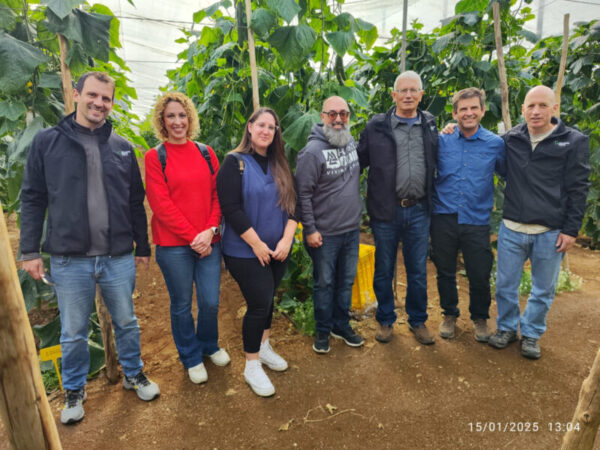
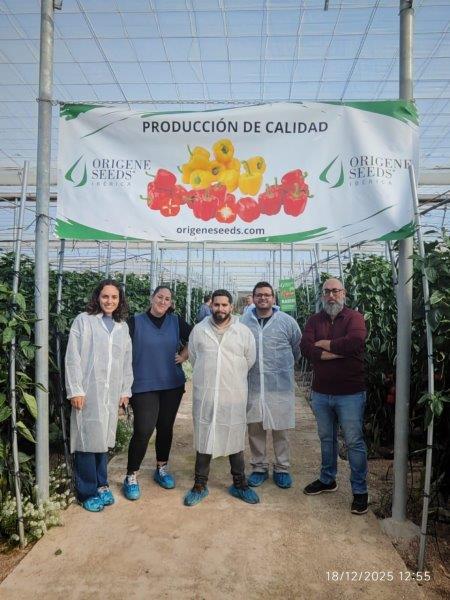
Today, OriGene Seeds Iberica employs six professionals:
Fco. Javier Núñez, General Manager; María Jesús Martínez, Product Development Manager; José Ramón Pardo, Salesperson & Pepper specialist; Miguel Ángel Barrios, Salesperson & Watermelon Specialist; Lucía López, Administration and Jennifer Ufarte, Product Development Assistant.
Development Where It Matters Most
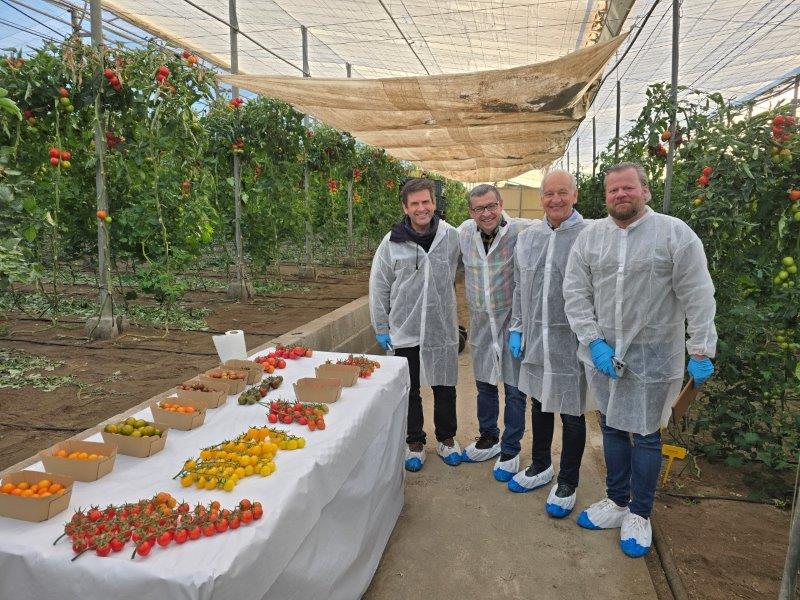
OriGene Seeds conducts extensive breeding programs directly in Almería, Murcia, La Mancha as well as in other key growing areas, testing varieties under real local conditions to ensure full market compatibility.
“All our products originate at the HQ breeding center,” explains Javier, “but unlike in the past, trials are now carried out here in Spain. We run large-scale testing programs in peppers, watermelons, melons, cucumber and tomato.”
Describing the working method, Javier adds, “We receive hybrids from the R&D center and conduct fields’ trials locally. After observations, promising material is identified with commercial potential will transfer for additional testing and possible commercial launching.”
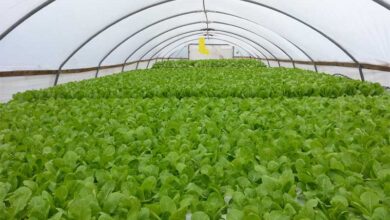
Almería’s growing conditions make it an ideal development hub. With approximately 35,000 hectares of greenhouses, mild winter temperatures averaging 18°C, and a strongly export-oriented production system, the region serves as both a commercial and an innovation center.
“All the products grown here are with an export quality,” Javier notes. “Most of it is shipped to Central and Eastern Europe. Competition is intense, quality requirements are extremely high, and prices reflect that reality. To succeed, the product must be outstanding.”
Commercial Activity: Adaptation and Guidance
According to Javier, OriGene Seeds Iberica’s commercial strategy stands on two main pillars:
Varietal adaptation – Adjusting Pepper varieties to different growing regions, with a strong focus on Almería, which accounts for approximately 90% of Spain’s pepper production.
Sales and agronomic support – Recommending suitable varieties and guiding growers throughout the entire production cycle.
“Selling seeds today is not just about sales,” says Javier. “It requires training and close agronomic support, which is where our team plays a crucial role.”
Spain is Europe’s leading vegetable supplier, with around 50% of its pepper production exported to European markets. The customer base is broad and diverse, ranging from thousands of independent growers to cooperatives, distribution companies, wholesalers, several very large buyers, and the sales approach must be tailored to each customer’s specific needs.
Key Challenges in Changing Reality
Climate change presents growing challenges, including extreme and unpredictable weather events, increased humidity, and the emergence of new pests and diseases. Breeding teams must react quickly to evolving conditions.
At the same time, Javier highlights the opportunities that accompany these challenges. “This reality demands strong management and rapid response both in adapting varieties to new resistances and in modifying plant characteristics, such as developing more open plants with open canopy habit.”
Labor shortages are another major concern. As manpower becomes increasingly difficult to secure, there is a clear need for varieties that require less handling and labor input.
“It is no longer possible to work in traditional ways,” Javier emphasizes. “We must continuously develop solutions for a constantly changing reality.”
Marketing in the Digital Age
“In today’s market, it’s no longer enough to hang a sign with a variety name” says Javier. “Growers expect ongoing information features, benefits, and performance delivered through smart, digital communication channels.”
Speed, Proximity, and Human Capital
Javiar mentioned that decision-making must be quick but always grounded in close contact with the field.
Unlike larger organizations, OriGene Seeds management spends significant time on the ground, listening directly to growers and transferring their insights back to the HQ breeding center. While developing a new variety still takes four to five years, the feedback loop is much shorter.
“Technology helps us manage operations,” Javier concludes, “but in the end, human capital makes the difference. We fully trust the local team to understand day-to-day realities and respond accordingly.”
Looking Ahead with Confidence
Entering a new market is a gradual process. Growers adopt new varieties only when they are confident in performance, quality, service, and long-term relationships with the company and its people.
“After four years of activity in Spain, we feel optimistic,” concluded Javier. “We are building a reputation as a stable company with reliable service and a strong local presence”.
From its beginning with just two employees to today’s six-person team, OriGene Seeds Iberica continues to grow, working hard, staying close to the field, and keeping its feet firmly on the ground.

For more info: Javier.n@origeneseeds.com | +34 674 17 93 33